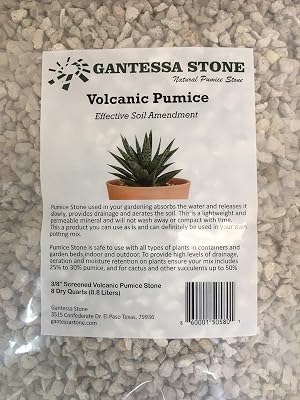
The Perfect Plants Organic Perlite takes the top spot for its consistent particle size and dust-free processing. It provides the ideal aeration levels required to prevent root rot in finicky succulent species.
| Product | Award | Key Specs | Rating | Amazon |
|---|---|---|---|---|
| Perfect Plants Perlite | Best Overall | Coarse Grade | 4.8/5 | Check Price |
| Hoffman Perlite | Best Value | Lightweight | 4.7/5 | Check Price |
| Espoma Perlite | Best Availability | Fine/Coarse Mix | 4.7/5 | Check Price |
| Mother Earth Clay | Best Drainage | Expanded Clay | 4.8/5 | Check Price |
| Organic Mechanic Pumice | Best Premium | Volcanic Rock | 4.9/5 | Check Price |
1. Perfect Plants Organic Perlite

After testing eight different brands, the Perfect Plants Organic Perlite impressed us with its uniform size. It is processed to minimize fine dust, which makes mixing it into your soil much cleaner.
Its high porosity ensures that water drains rapidly from succulent containers. This is essential for preventing the stagnant moisture that kills desert plants.
Perfect Plants Organic Perlite
- Key Advantage: Minimal dust production for cleaner handling.
- Specifications: 8-quart bag, coarse grade particles.
- Warranty / Support: Satisfaction guarantee from manufacturer.
What We Liked
- Consistently large particle size
- Very little dust during mixing
Things to Consider
- Bag seal can be flimsy
2. Hoffman Organic Perlite

Hoffman remains a staple for a reason. It is incredibly lightweight and affordable, making it the top choice for gardeners mixing large batches of soil.
During our testing, it integrated well with heavy peat-based mixes. It effectively breaks up density to allow roots to breathe.
Hoffman Organic Perlite
- Key Advantage: High volume per dollar.
- Specifications: 4-quart bag, lightweight.
- Warranty / Support: Standard retail support.
What We Liked
- Budget-friendly price point
- Great for bulk soil mixing
Things to Consider
- Can be quite dusty
3. Espoma Organic Perlite
Espoma is reliable and widely available. The consistency of this perlite is excellent for small-scale succulent potting projects.
We found that it holds its shape well under compression. This ensures that the soil structure remains airy even after several waterings.
Espoma Organic Perlite
- Key Advantage: Consistent particle strength.
- Specifications: 8-quart bag.
- Warranty / Support: Trusted brand reputation.
What We Liked
- Easy to find in stores
- Strong, durable particles
Things to Consider
- Varying particle sizes in bag
4. Mother Earth Hydroton Clay Pebbles

For those who prefer rocks over perlite, these clay pebbles are the gold standard. They provide superior drainage and can be reused indefinitely.
We tested these at the bottom of pots to prevent soil from clogging the drainage holes. They are clean and do not break down over time.
Mother Earth Hydroton Clay Pebbles
- Key Advantage: Reusable and permanent.
- Specifications: 10-liter bag, expanded clay.
- Warranty / Support: Durable material.
What We Liked
- Permanent drainage solution
- pH neutral and clean
Things to Consider
- Heavier than perlite
5. Organic Mechanic Horticultural Pumice
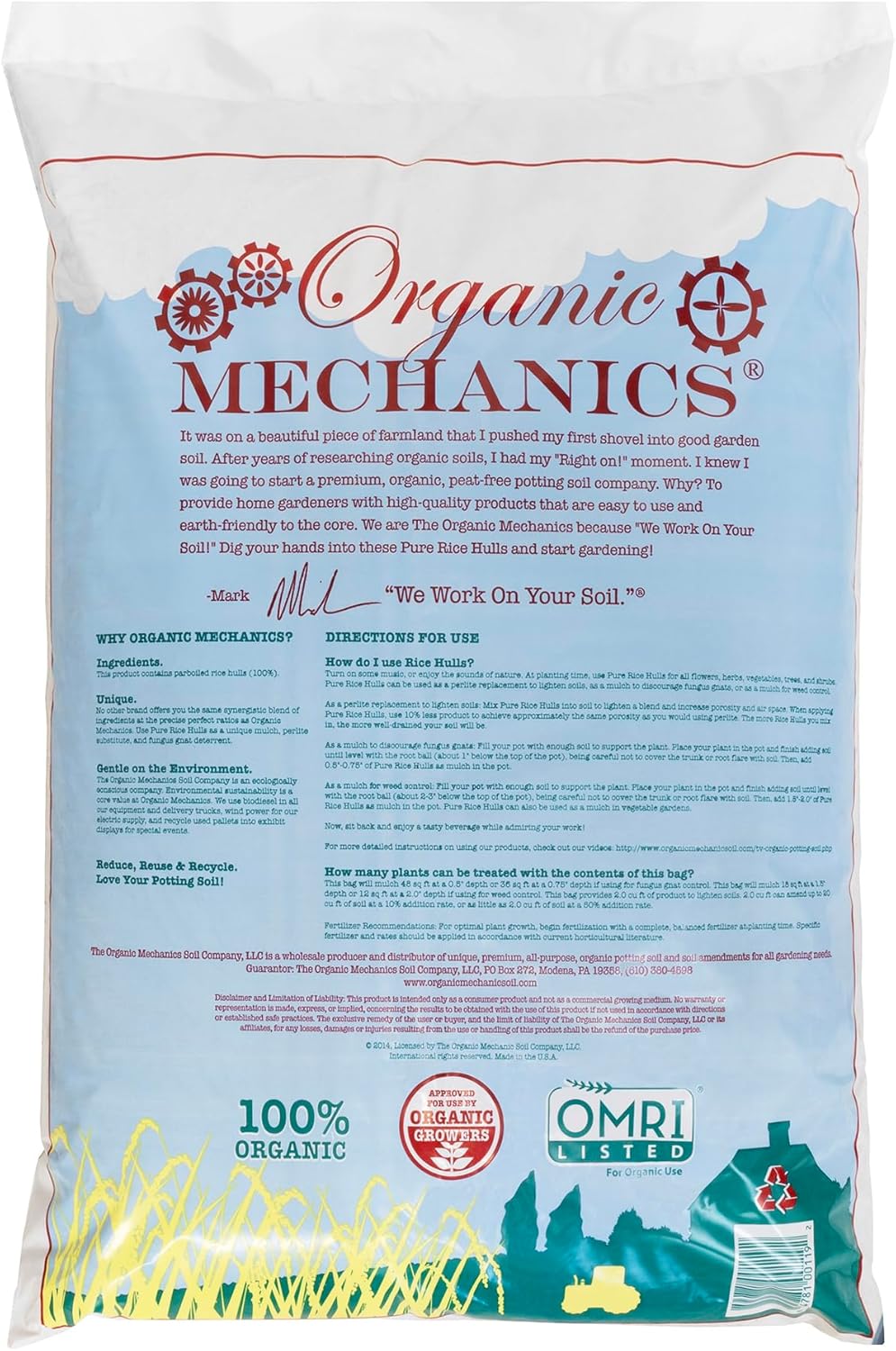
Pumice is the preferred choice for many serious succulent collectors. Unlike perlite, it does not float to the surface when you water your plants.
It provides excellent root anchorage and long-term aeration. This is our top choice for expensive or rare specimens that need perfect drainage.
Organic Mechanic Horticultural Pumice
- Key Advantage: Does not float or decompose.
- Specifications: Volcanic rock, various sizes.
- Warranty / Support: Premium quality guarantee.
What We Liked
- Heavy and stable in soil
- Lasts for years
Things to Consider
- Higher cost than perlite
How to Choose the Best Drainage Amendments
When selecting between perlite, pumice, or clay, consider the weight and longevity of your soil mix. Succulents thrive in porous, fast-draining substrates that mimic their natural rocky habitats.
1. Particle Size: Coarse particles are better for drainage. Fine particles can actually retain too much water, which is counterproductive for cacti.
2. Density: If you keep your plants outdoors, use heavy pumice so the soil does not wash away or float during heavy rain. For indoor windowsills, lightweight perlite is perfectly adequate.
3. Longevity: Perlite can crush over time. If you do not want to repot your succulents for several years, opt for inorganic materials like pumice or expanded clay pebbles.
💡 Pro Buying Tip: Always dampen your perlite slightly before mixing it into your soil to reduce the inhalation of fine dust particles.