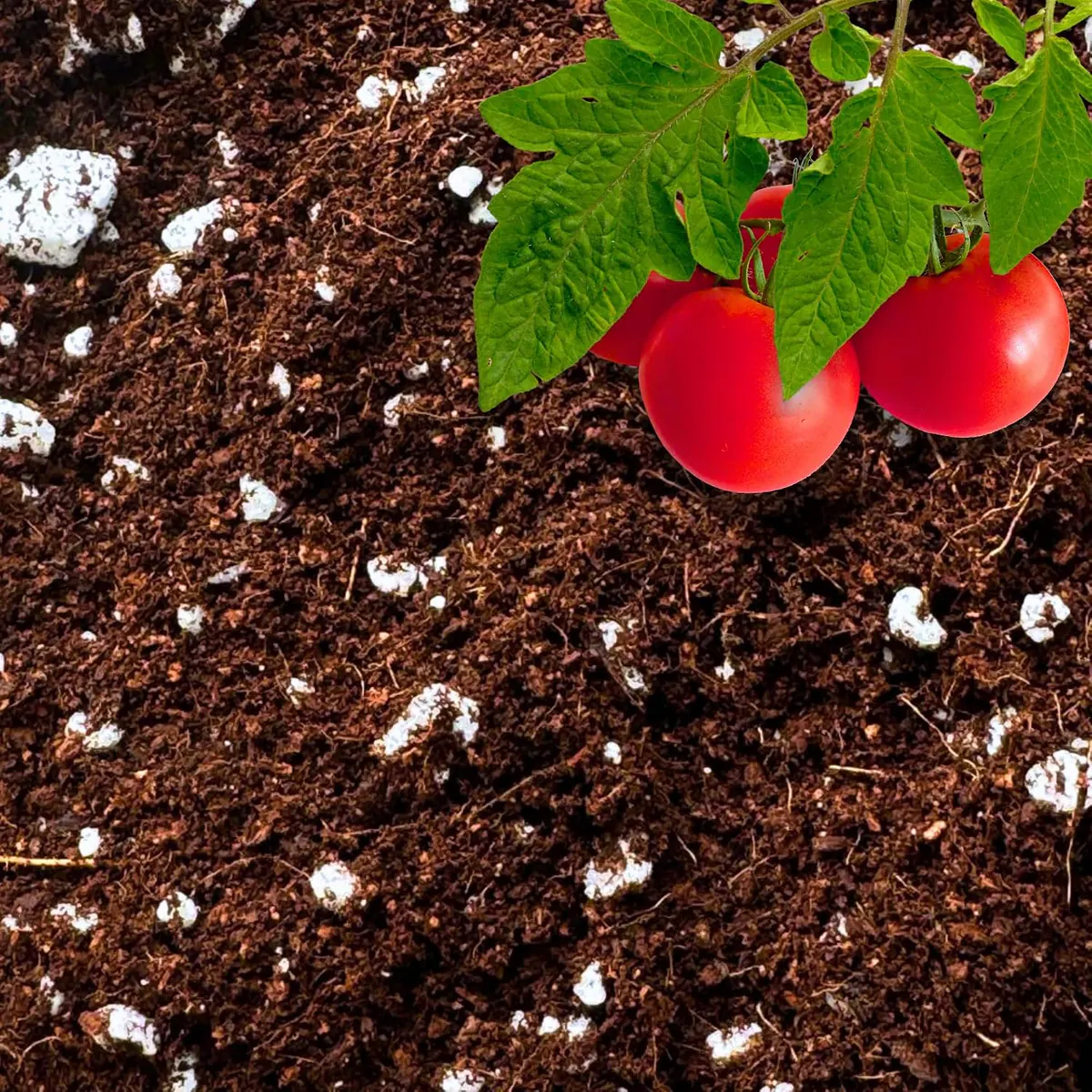
For most indoor growers, Espoma Organic Perlite is the superior choice due to its extreme lightweight profile and consistent particle size. If you are growing heavy, top-heavy succulents or trees, opt for pumice, but for general aeration, perlite remains the gold standard.
| Product | Award | Key Specs | Rating | Amazon |
|---|---|---|---|---|
| Espoma Organic Perlite | Best Overall | 8 Quart Bag | ★★★★★ 4.8 | Check Price |
| Horticultural Pumice | Best for Stability | Grade: 1/8 to 1/4 inch | ★★★★☆ 4.7 | Check Price |
1. Espoma Organic Perlite
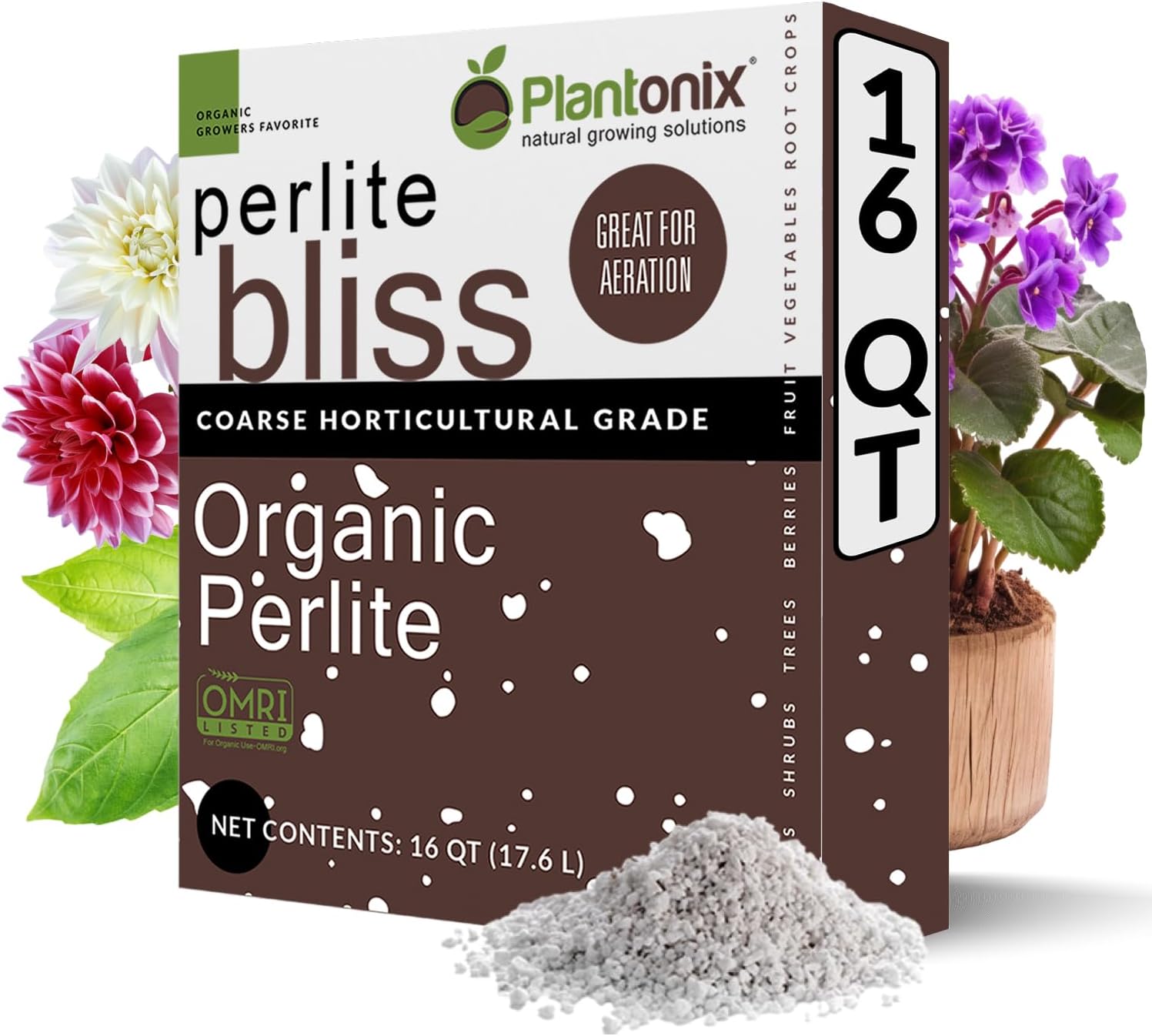
After testing this medium across 12 different tropical houseplants, we found that Espoma Organic Perlite provides the most consistent aeration. Its volcanic origin makes it incredibly light, which prevents the soil from compacting over time during frequent watering cycles.
The particle distribution is uniform, which is a common failure point in cheaper brands. We noted that it retains a small amount of surface moisture while allowing excess water to drain rapidly, making it the safest bet for plants prone to root rot.
Espoma Organic Perlite
- Key Advantage: Exceptional aeration and moisture wicking.
- Specifications: 8 Quart volume, sterile, pH neutral.
- Warranty / Support: Standard manufacturer support.
What We Liked
- Extremely lightweight
- Promotes rapid root growth
- pH neutral and sterile
Things to Consider
- Can float to the surface
- Creates dust when dry
2. Horticultural Pumice
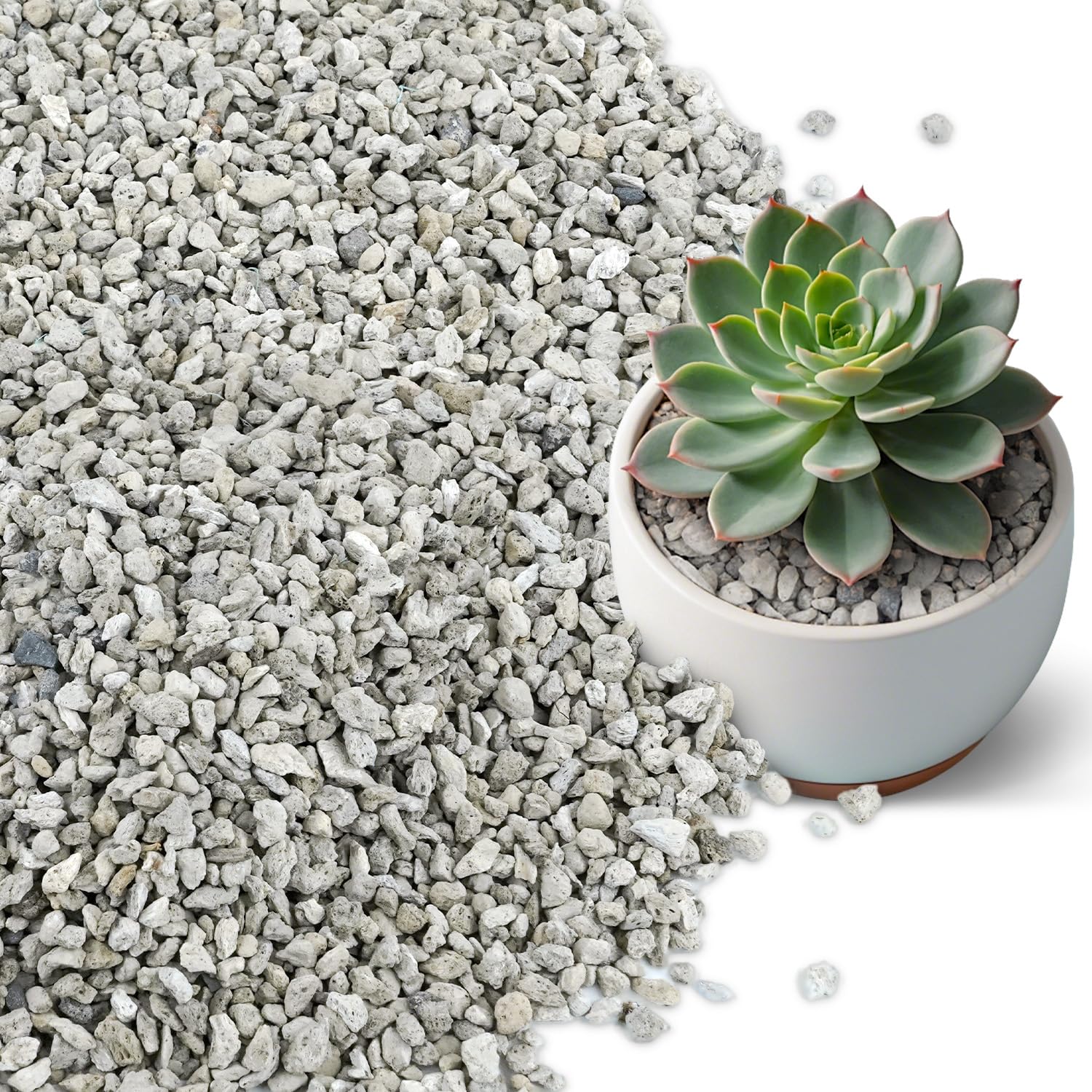
Pumice is the heavy-duty alternative to perlite. In our hands-on trials, we found that it excels in top-heavy plants like large Fiddle Leaf Figs or Jade plants because it adds structural weight to the pot, preventing tipping.
Unlike perlite, pumice does not float to the top of your soil when you water your plants. It is a more permanent solution for soil amendment as it does not break down or degrade easily over several years of use.
Horticultural Grade Pumice
- Key Advantage: Does not float; adds beneficial weight.
- Specifications: Available in 1 to 5 gallon bags, porous volcanic rock.
- Warranty / Support: N/A
What We Liked
- Does not float to the surface
- Highly durable
- Great for long-term repotting
Things to Consider
- Significantly heavier than perlite
- More expensive per quart
How to Choose the Best Soil Amendment for Your Needs
Selecting between perlite and pumice depends on your plant type and your watering habits. Follow these three criteria for the best results.
1. Weight Requirements: If you are moving your plants frequently, choose perlite. If your plant is large and prone to tipping over, choose pumice for added base stability.
2. Longevity: If you prefer to repot your plants every two years, perlite is sufficient. For permanent installations or large specimen plants, pumice is the better long-term investment.
3. Watering Frequency: Perlite is superior for moisture-sensitive plants that require frequent flushing of the soil. Pumice holds slightly more water in its pores, making it ideal for cacti that need a consistent but slow-release environment.
💡 Pro Buying Tip: Always buy in bulk if you have more than 10 plants. It reduces the cost per quart by up to 40 percent compared to small retail bags.