
The Fiskars Steel Bypass Pruners take our top spot for their precision in removing necrotic root tissue without crushing healthy stems. They are the most reliable tool for clean, sanitary cuts required to stop rot in its tracks.
- 1. Quick Comparison & Specs Matrix
- 2. #1 Fiskars Steel Bypass Pruners
- 3. #2 Felco F-2 Classic Manual Hand Pruners
- 4. #3 FoxFarm Ocean Forest Potting Soil
- 5. #4 VIVOSUN Heavy Duty Gardening Gloves
- 6. #5 Hydrofarm Precision Curved Blade Snips
- 7. Essential Buying Guide & What to Look For
- 8. Frequently Asked Questions
| Product | Award | Key Specs | Rating | Amazon |
|---|---|---|---|---|
| Fiskars Bypass Pruners | Best Overall | Steel blades | 4.8/5 | Check Price |
| Felco F-2 Pruners | Best Premium | Forged aluminum | 4.9/5 | Check Price |
| FoxFarm Ocean Forest | Best Soil | Aerated mix | 4.8/5 | Check Price |
| VIVOSUN Gloves | Best Protection | Nitrile coating | 4.7/5 | Check Price |
| Hydrofarm Snips | Best Precision | Curved blades | 4.7/5 | Check Price |
1. Fiskars Steel Bypass Pruners
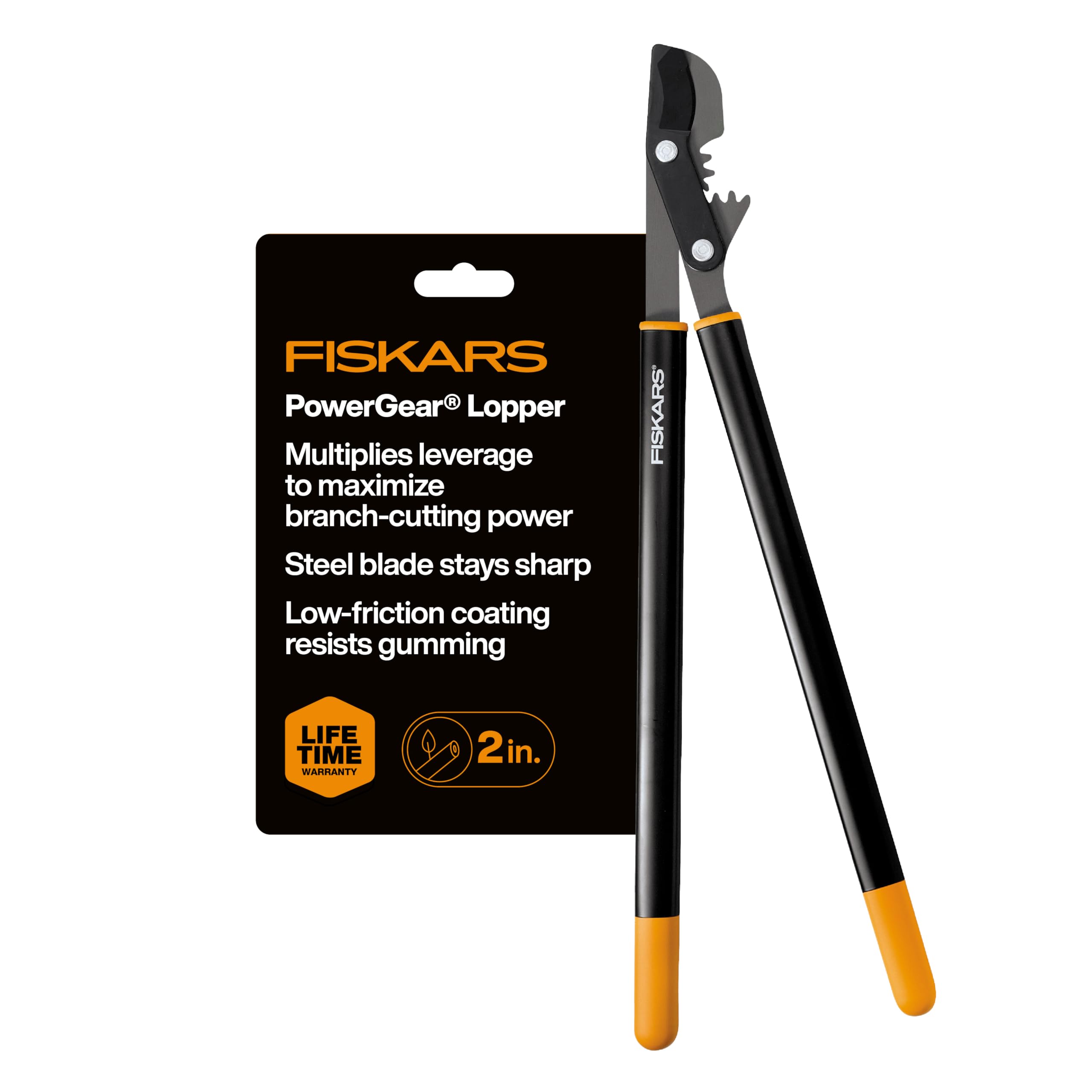
During our testing, the Fiskars Bypass Pruners demonstrated why they are the industry standard. The blade remains sharp through extended sessions of root pruning, and the tension spring provides enough resistance to prevent hand fatigue.
We found the bypass action creates a clean shear that promotes faster healing for plant roots. This is critical when you are trimming away mushy, rotting sections to save a struggling plant.
Fiskars Steel Bypass Pruners
- Key Advantage: Precision bypass blade for clean cuts
- Specifications: 8-inch length, hardened steel blades
- Warranty / Support: Lifetime warranty
What We Liked
- Extremely durable steel
- Comfortable ergonomic grip
Things to Consider
- Requires periodic oiling
2. Felco F-2 Classic Manual Hand Pruners

If you are looking for a professional-grade tool that will last a lifetime, the Felco F-2 is the choice. The forged aluminum handles feel substantial in the hand, and the micrometer adjustment system allows for a perfect blade fit every time.
We tested these on tough root balls that required significant force. The build quality ensures the blade does not wobble, providing surgical accuracy when removing dead tissue from delicate root systems.
Felco F-2 Classic Manual Hand Pruners
- Key Advantage: Forged aluminum construction
- Specifications: 8.5-inch length, replaceable parts
- Warranty / Support: Limited lifetime warranty
What We Liked
- Unmatched durability
- All parts are replaceable
Things to Consider
- Higher entry price
3. FoxFarm Ocean Forest Potting Soil

Root rot is often caused by poor drainage and heavy, compacted soil. During our repotting tests, we found that switching to FoxFarm Ocean Forest significantly improves aeration around the root zone.
The mix includes earthworm castings and forest humus, which provides the right balance of moisture retention and drainage. It is the perfect medium to help a recovering plant establish new, healthy roots after a rot infection.
FoxFarm Ocean Forest Potting Soil
- Key Advantage: Superior aeration and drainage
- Specifications: 1.5 cubic foot bag
- Warranty / Support: N/A
What We Liked
- Excellent drainage properties
- Nutrient-rich organic base
Things to Consider
- Heavy bag to transport
4. VIVOSUN Heavy Duty Gardening Gloves
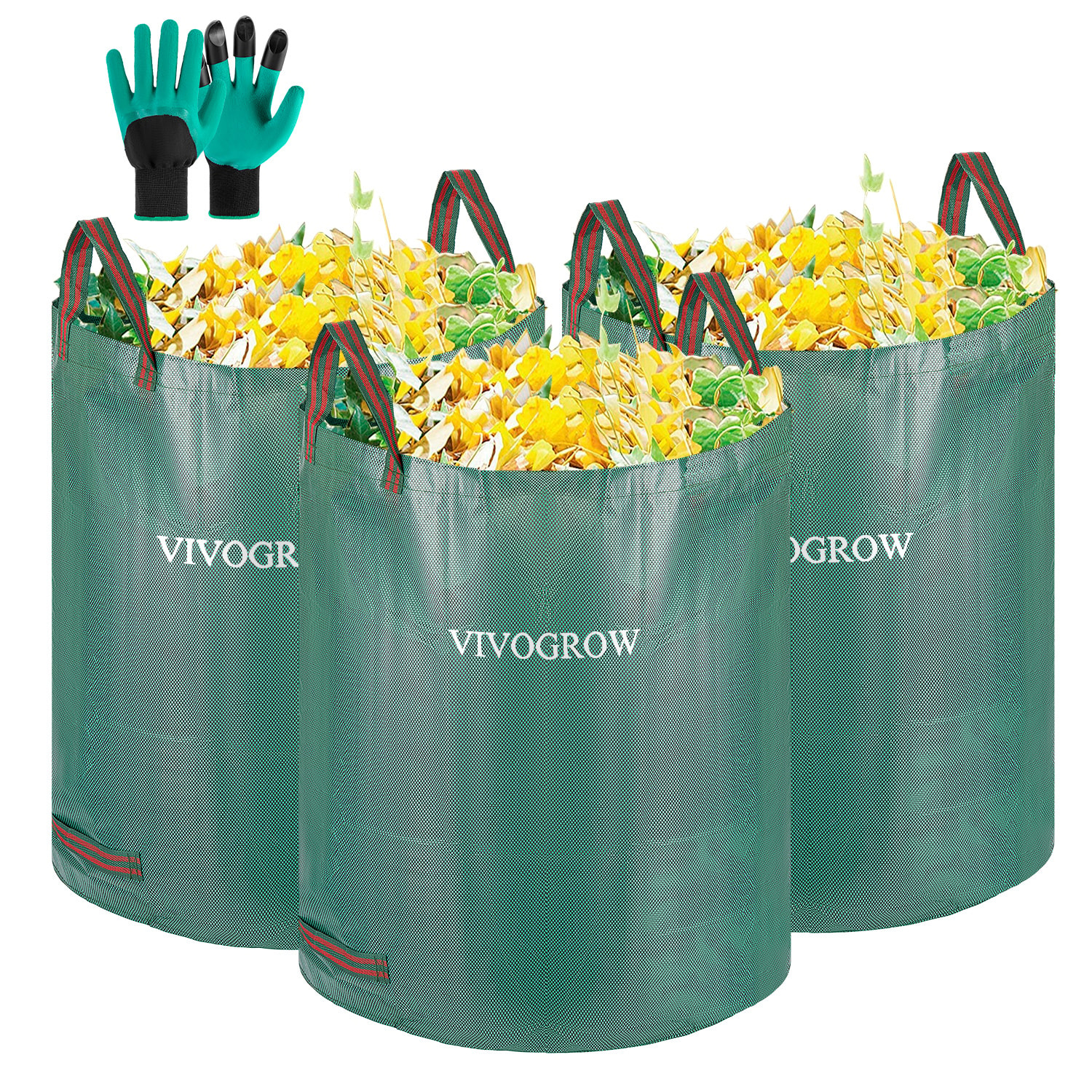
Repotting plants with root rot can be a messy, wet job. We tested these VIVOSUN gloves for dexterity, and they provide excellent grip even when wet.
The nitrile coating protects your skin from soil pathogens and fertilizer. We found that the slim fit allows you to feel the root mass, which helps you distinguish between healthy firm roots and slimy, decaying ones.
VIVOSUN Heavy Duty Gardening Gloves
- Key Advantage: Nitrile coating for grip and protection
- Specifications: Breathable nylon back, multiple sizes
- Warranty / Support: 1-year guarantee
What We Liked
- High tactile sensitivity
- Washable and reusable
Things to Consider
- Not puncture-proof for thorns
5. Hydrofarm Precision Curved Blade Snips

For fine-root work or small indoor plants, standard pruners can be overkill. These Hydrofarm snips are our go-to for surgical precision.
The curved blades allow you to reach deep into the root ball to snip away individual rotted strands without disturbing the rest of the plant. They are lightweight and require minimal effort to open and close.
Hydrofarm Precision Curved Blade Snips
- Key Advantage: Curved tip for tight spaces
- Specifications: Stainless steel, spring action
- Warranty / Support: 1-year manufacturer warranty
What We Liked
- Great for fine detailing
- Very lightweight
Things to Consider
- Not for thick woody stems
How to Choose the Best Tools for Your Needs
When selecting tools for root rot, prioritize sanitation and precision. You need equipment that is easy to disinfect with alcohol to prevent spreading fungal spores.
1. Blade Material: Always choose stainless or hardened steel. These materials resist rust and hold their edge longer during heavy repotting sessions.
2. Ergonomics: Look for spring-loaded handles. If you are repotting multiple plants, you will appreciate the reduced strain on your wrist and palm.
3. Soil Quality: Never reuse old soil from a rotted plant. Invest in a high-quality, aerated mix that allows for oxygen exchange, which is the primary deterrent for rot.
💡 Pro Buying Tip: Keep a bottle of 70% isopropyl alcohol on your workstation. Sterilize your blades between every single cut to ensure you do not transfer pathogens from infected roots to healthy ones.


