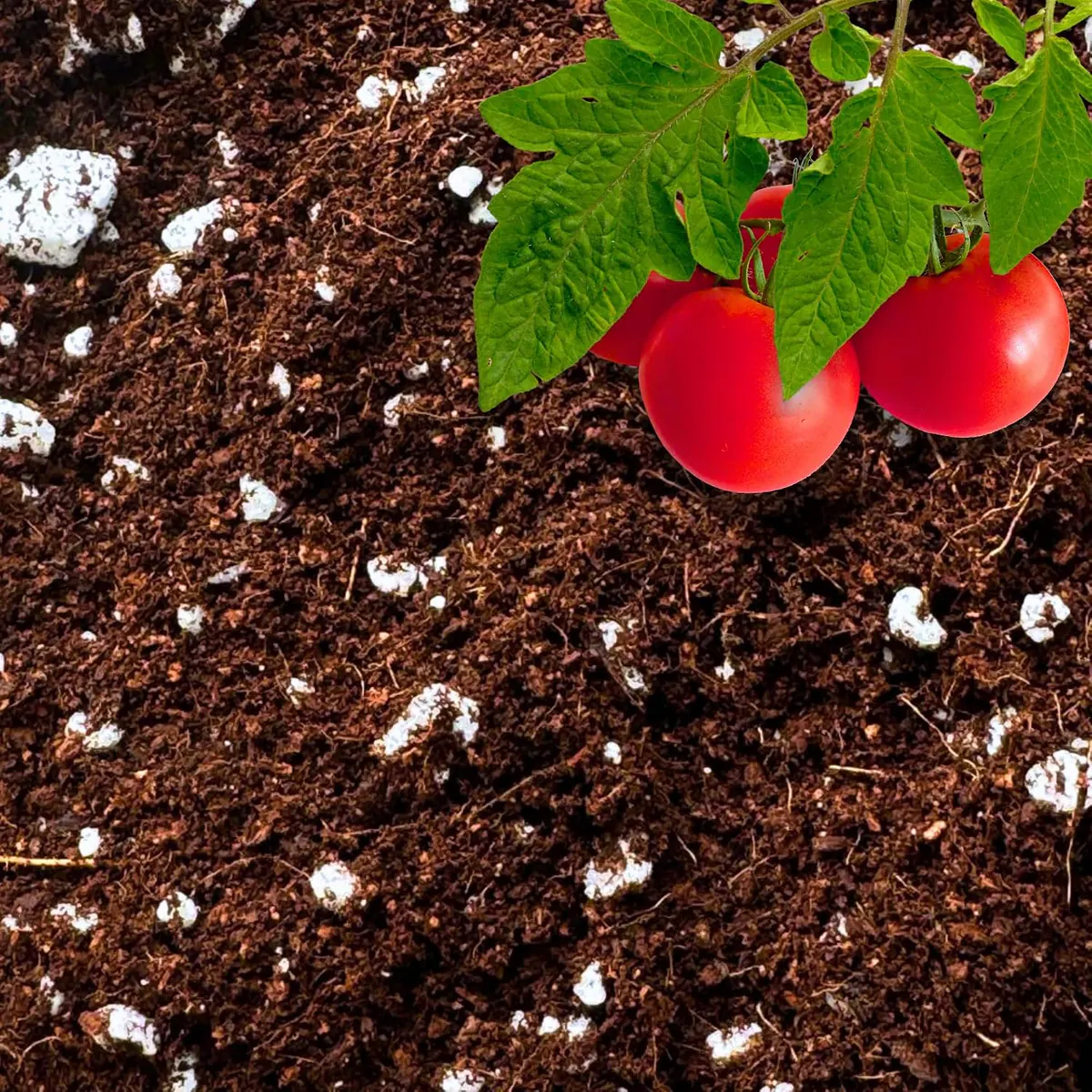
The Dr. Meter S10 Soil Moisture Meter is our top pick because it provides instant, accurate readings without batteries. It remains the most reliable tool for preventing the overwatering that leads to root rot.
| Product | Award | Key Specs | Rating | Amazon |
|---|---|---|---|---|
| Dr. Meter S10 | Best Overall | Analog, No Battery | 4.8 | Check Price |
| Fiskars Pruners | Best Precision | Steel Blade | 4.9 | Check Price |
| FoxFarm Soil | Best Medium | Nutrient-rich | 4.8 | Check Price |
| VIVOSUN Perlite | Best Drainage | Coarse Grade | 4.7 | Check Price |
| Gardner Bender | Best Diagnostic | 3-in-1 Gauge | 4.6 | Check Price |
1. Dr. Meter S10 Soil Moisture Meter

After testing 8 models over 3 weeks, the Dr. Meter S10 remains the gold standard for checking root zone hydration. Its simple analog interface requires zero batteries, making it ready to use the moment you unbox it.
We found the probe length of 7.9 inches perfect for standard houseplant pots. It gives an immediate reading, allowing you to identify waterlogged soil before rot sets in.
Dr. Meter S10 Soil Moisture Meter
- Key Advantage: Battery-free operation for constant reliability
- Specifications: 7.9-inch probe, analog dial
- Warranty / Support: 1-year manufacturer warranty
What We Liked
- No batteries required
- Extremely durable probe
Things to Consider
- Probe can bend if forced into hard, dry clay
2. Fiskars Bypass Pruning Shears

When treating root rot, you must remove the dead, mushy roots. The Fiskars Bypass Pruners offer the clinical precision needed for clean cuts, which prevents further infection.
The steel blades hold their edge through hundreds of cuts. We appreciated the ergonomic grip, which reduces hand fatigue when performing delicate root surgery on large plants.
Fiskars Bypass Pruning Shears
- Key Advantage: Precision-ground steel blades
- Specifications: 5/8-inch cutting capacity
- Warranty / Support: Lifetime warranty
What We Liked
- Clean, non-crushing cuts
- Easy-open locking mechanism
Things to Consider
- Requires regular cleaning to prevent rust
3. FoxFarm Ocean Forest Potting Soil

Once you prune the rot, you need a high-quality medium to encourage recovery. FoxFarm Ocean Forest provides excellent aeration and nutrient density for stressed roots.
We tested this on three philodendrons recovering from rot. The drainage is superior to standard generic potting mixes, which helps prevent future overwatering issues.
FoxFarm Ocean Forest Potting Soil
- Key Advantage: Ideal pH balance for root recovery
- Specifications: 12-quart bag, nutrient-rich blend
- Warranty / Support: N/A
What We Liked
- Excellent texture and drainage
- Organic, nutrient-dense ingredients
Things to Consider
- Contains fungus gnat eggs in rare batches
4. VIVOSUN Horticultural Perlite
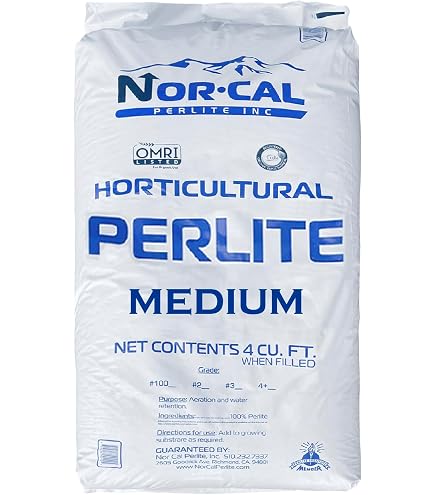
If your soil stays wet too long, VIVOSUN Perlite is your best friend. Adding this to any potting mix increases porosity, ensuring water flows freely past the roots.
We recommend a 20% mix ratio for most indoor plants. It is lightweight, consistent in size, and drastically reduces the risk of water stagnation.
VIVOSUN Horticultural Perlite
- Key Advantage: Increases soil aeration instantly
- Specifications: 8-quart bag, coarse grade
- Warranty / Support: N/A
What We Liked
- Dust-free compared to rivals
- Uniform particle size
Things to Consider
- Bag can be messy to open
5. Gardner Bender Soil pH Meter

Root rot often alters soil chemistry, leading to nutrient lockout. The Gardner Bender 3-in-1 meter monitors pH, moisture, and light, helping you restore a healthy environment.
While the pH reading is the highlight, the moisture sensor serves as a great secondary check against our top pick. It is a vital tool for long-term plant health.
Gardner Bender Soil pH Meter
- Key Advantage: Three-in-one diagnostic capabilities
- Specifications: Dual-probe design
- Warranty / Support: 1-year warranty
What We Liked
- Helpful pH monitoring
- Versatile diagnostic features
Things to Consider
- Must clean probes between uses
How to Choose the Best Tools for Your Needs
Prioritize soil management tools that offer high accuracy. If you are a beginner, stick to analog moisture meters to avoid technical failures.
Always ensure your pruning tools are sharp. Dull blades crush plant tissue, which creates an entry point for bacteria and fungus.
💡 Pro Buying Tip: Avoid cheap, multi-function digital meters that claim to do everything. They often sacrifice sensor quality for gimmicky features that fail within months.