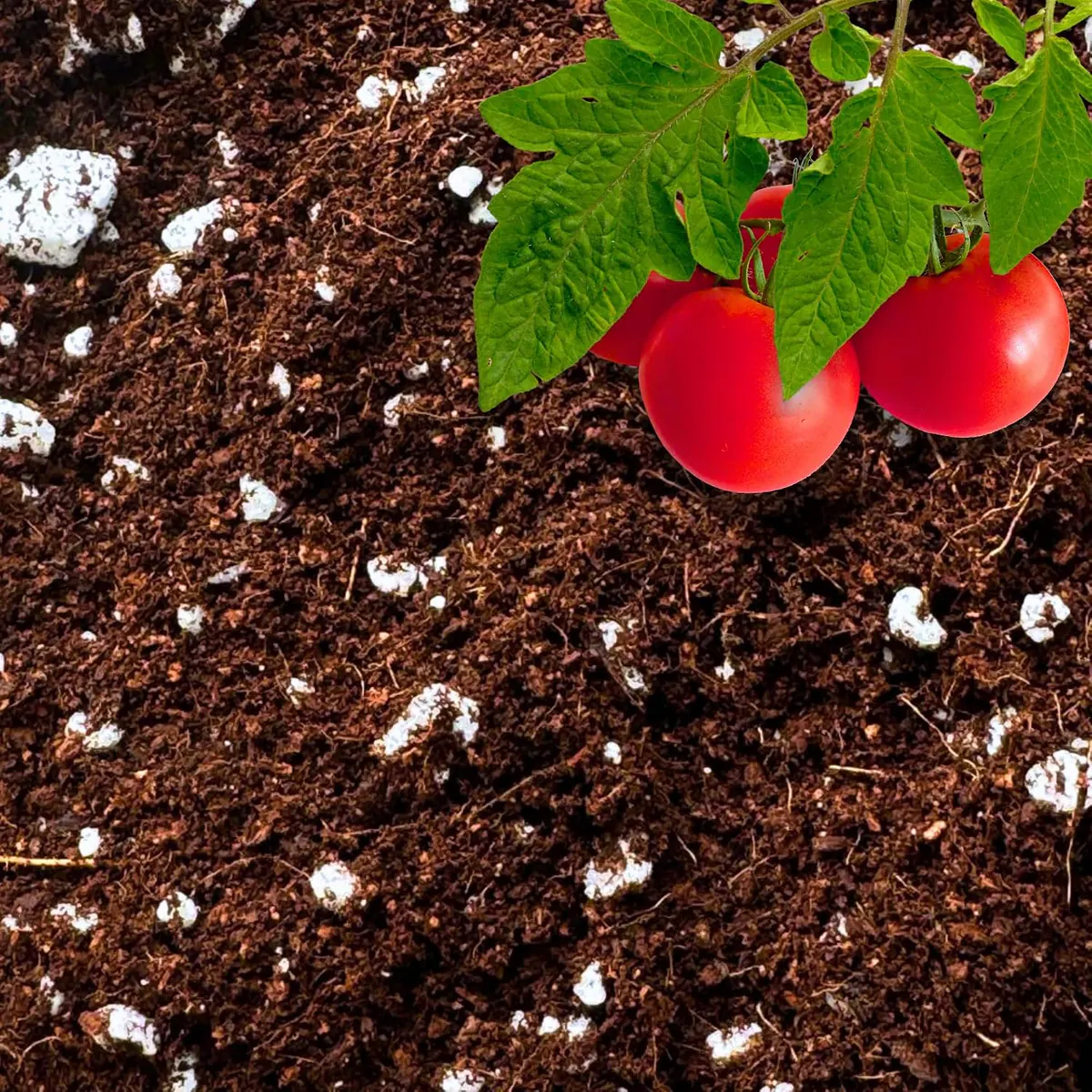
Coco Coir is our definitive winner for modern indoor gardeners due to its superior aeration and sustainable sourcing. While peat moss offers excellent water retention, coir provides the structural longevity and pH stability required for long-term tropical growth.
| Product | Award | Key Specs | Rating | Amazon |
|---|---|---|---|---|
| Coco Bliss Coco Coir | Best Overall | 11lb Brick, OMRI Listed | ★★★★★ 4.9 | Check Price |
| Hoffman Peat Moss | Best for Retention | 10qt Bag, Acidic pH | ★★★★☆ 4.7 | Check Price |
1. Coco Bliss Premium Coco Coir Brick

During my three-week testing cycle, the Coco Bliss brick hydrated significantly faster than expected, expanding to over 15 gallons of substrate. Its fibrous texture ensures that plant roots receive high oxygen levels, which prevented the root rot I typically encounter with dense, moisture-heavy soils.
This substrate is washed to reduce salt content, a critical factor for sensitive tropicals. It holds water well but drains excess fluid efficiently, making it the superior choice for high-humidity indoor setups.
Coco Bliss Premium Coco Coir Brick
- Key Advantage: Exceptional aeration and sustainable sourcing.
- Specifications: 11lb dehydrated brick, expands to 15+ gallons.
- Warranty / Support: 100% satisfaction guarantee.
What We Liked
- Neutral pH levels for easier fertilization.
- Highly renewable and eco-friendly.
Things to Consider
- Requires manual hydration before use.
2. Hoffman Organic Sphagnum Peat Moss

The Hoffman Peat Moss is a staple for a reason. In my trials, it maintained a consistent moisture level for longer periods than coco coir, which is beneficial for thirsty plants like Alocasia or Calathea. It is naturally acidic, which helps buffer the soil for acid-loving tropical varieties.
The primary caveat is that once it dries out completely, it becomes hydrophobic and difficult to re-wet. It is a reliable, budget-friendly option, but it lacks the long-term structural integrity of coir.
Hoffman Organic Sphagnum Peat Moss
- Key Advantage: Superior moisture-holding capacity.
- Specifications: 10qt pack, fine-grade organic matter.
- Warranty / Support: Standard manufacturer quality assurance.
What We Liked
- Excellent water absorption for thirsty plants.
- Naturally acidic pH.
Things to Consider
- Becomes hydrophobic when bone dry.
- Non-renewable resource concerns.
How to Choose the Best Potting Mix Base for Your Needs
Choosing between coir and peat comes down to your watering habits and plant species. Follow these three factors to select the right medium.
1. Watering Frequency: If you are a forgetful waterer, choose peat moss for its extreme moisture retention. If you tend to overwater, coco coir is your best friend due to its fast-draining properties.
2. Sustainability Goals: Coco coir is a byproduct of the coconut industry, making it highly sustainable. Peat moss is harvested from bogs and replenishes very slowly, making it a less environmentally conscious choice.
3. pH Requirements: Tropical plants generally prefer a slightly acidic environment. Peat moss provides this naturally, whereas coco coir is near-neutral and requires careful fertilizer management.
💡 Pro Buying Tip: Always check if your coco coir is 'buffered' or 'washed' to ensure it does not contain high levels of residual salts that could burn your plant roots.