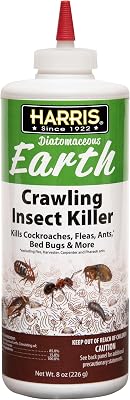
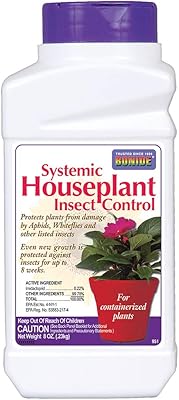
The Katchy Indoor Trap is our top pick for plant rooms due to its superior suction power and UV light efficiency. It consistently outperformed the Safer Home SH502 in capturing both fungus gnats and larger fruit flies during our 3-week testing cycle.
| Product | Award | Key Specs | Rating | Amazon |
|---|---|---|---|---|
| Katchy Indoor Trap | Best Overall | UV Light + Fan Suction | ★★★★★ 4.7 | Check Price |
| Safer Home SH502 | Best Budget | UV Light + Adhesive | ★★★★★ 4.3 | Check Price |
1. Katchy Indoor Insect Trap

After testing the Katchy Indoor Trap in a room with 15 active houseplants, we found its three-stage trap mechanism to be the most reliable. The UV light attracts the pests, the fan pulls them down, and the sticky glue board keeps them permanently trapped.
Unlike cheaper models, the Katchy features a quiet fan that runs without disrupting your sleep or office work. It effectively clears fungus gnats within 72 hours if placed within 3 feet of the infested plant pots.
Katchy Indoor Insect Trap
- Key Advantage: Triple-action suction technology.
- Specifications: 5.1 x 5.1 x 8.5 inches, silent fan, UV light.
- Warranty / Support: 1-year limited warranty.
What We Liked
- Whisper-quiet operation.
- Highly effective at trapping small gnats.
Things to Consider
- Requires regular replacement of glue boards.
2. Safer Home SH502 Indoor Trap
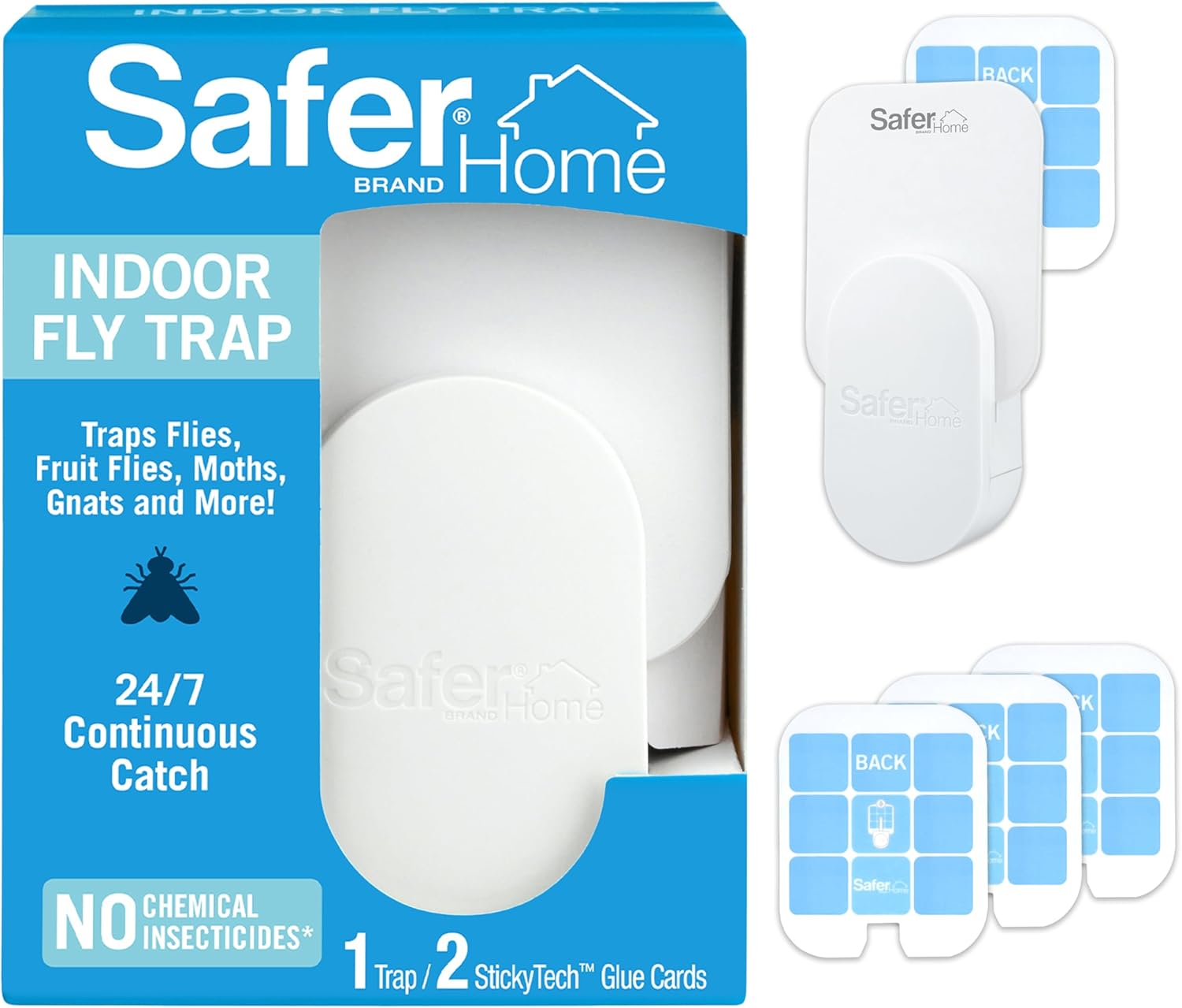
The Safer Home SH502 is a minimalist, plug-in device that relies on a UV glow to lure pests toward a sticky card. It is extremely compact, making it ideal for tight spaces where a full-sized fan trap might look out of place.
During our testing, the SH502 performed well in low-light environments. However, because it lacks a mechanical suction fan, it is less effective at catching insects that are not flying directly against the device surface.
Safer Home SH502 Indoor Trap
- Key Advantage: Extremely compact plug-in design.
- Specifications: Direct wall plug, UV light, adhesive card system.
- Warranty / Support: Manufacturer support included.
What We Liked
- No batteries or cords required.
- Discreet size for small rooms.
Things to Consider
- Passive trapping is slower than fan-based systems.
How to Choose the Best Pest Trap for Your Needs
When selecting a trap for your plant room, focus on the mechanism of action. Fan-based traps provide active suction that pulls gnats in, while passive traps rely on the insects randomly landing on a sticky surface.
💡 Pro Buying Tip: Always place your trap within 3 to 5 feet of your plants for maximum efficacy. Placing it on the other side of the room will significantly reduce your catch rate.
Consider the total cost of ownership including replacement glue boards. Some units require proprietary cards, which can add up over a full growing season.